The Anatomy of Baltic Cuisine
Shaped by ancient pine forests, brackish Baltic coastal waters, long northern winters, and the agricultural resilience of dark rye, Baltic gastronomy is currently experiencing a historic culinary renaissance.
Estonian Gastronomy: The Nordic Archipelago & Forest Floor
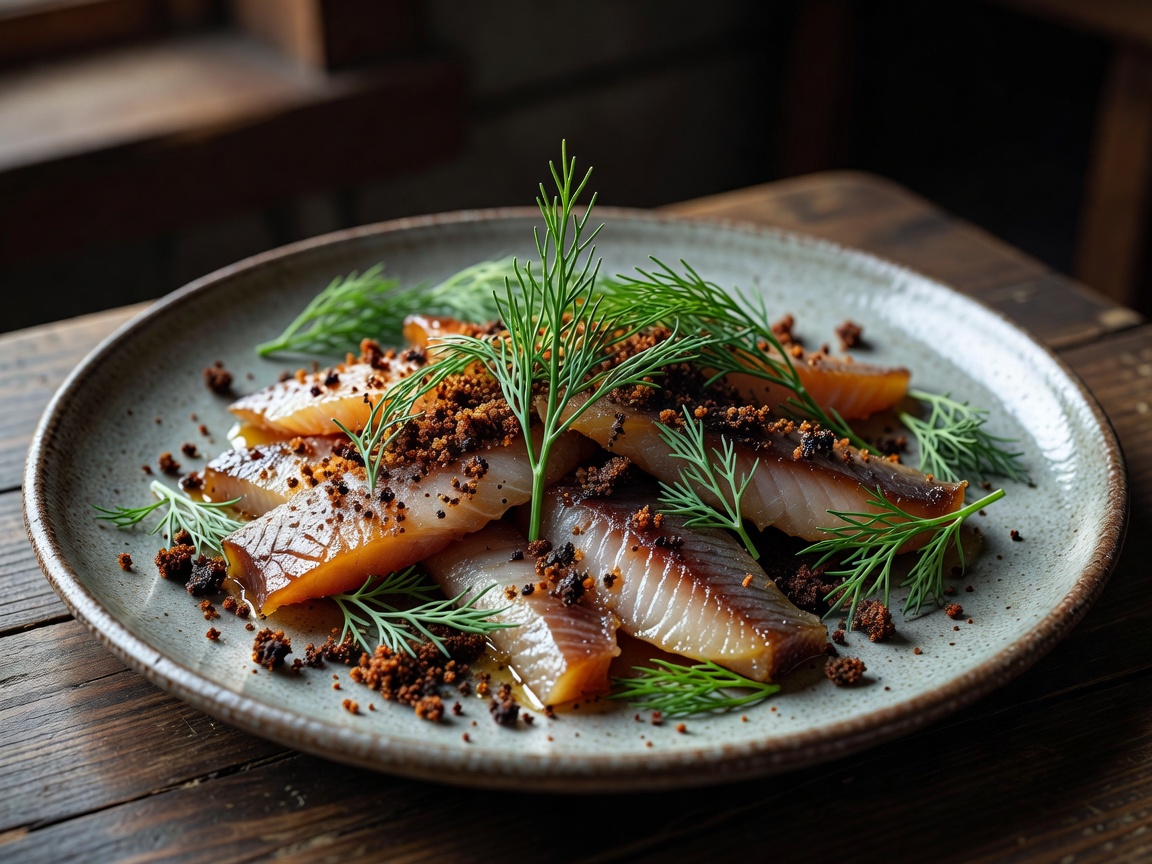
Estonia’s culinary identity sits firmly at the intersection of Nordic restraint and Finno-Ugric heritage. Centuries of coastal seafaring and island life across Saaremaa, Hiiumaa, and Muhu created deep traditions of hot-smoked Baltic herring (räim), juniper smoking, and fermented dairy.
In mainland Estonia, Southern Estonian smoke sauna traditions (inscribed in UNESCO intangible cultural heritage) have preserved meat smoking techniques unchanged for generations. Today, Tallinn and Tartu serve as incubation laboratories for New Nordic-Baltic cuisine, pairing sour rye bread with wild chanterelles, sea buckthorn berries, and cold-pressed rapeseed oils.
Latvian Cuisine: The Hearth of Rye, Grey Peas & Amber Honey
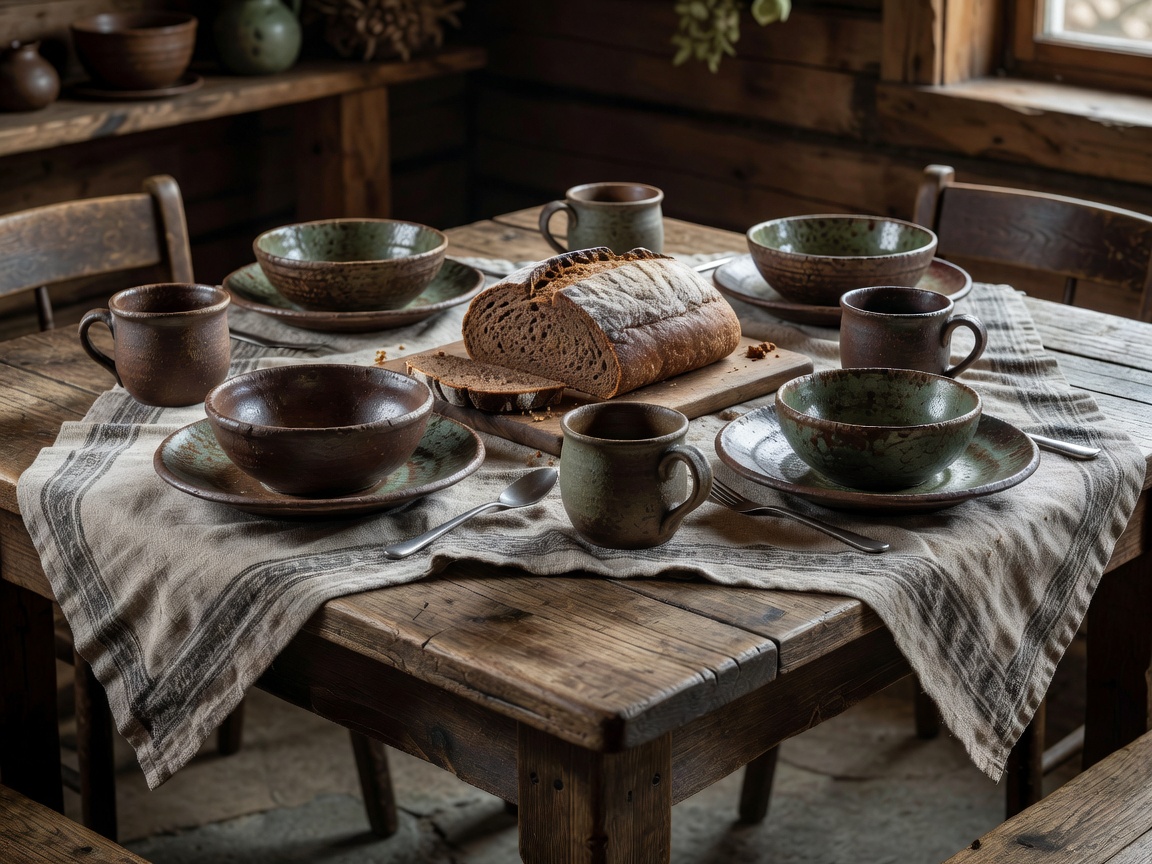
Latvia represents the geographic and spiritual culinary heart of the Baltic states. Latvian cooking centers around the revered Rupjmaize—a dense, naturally fermented sourdough rye bread that carries deep cultural symbolism and features in everything from morning open sandwiches to layered rye bread desserts (Rupjmaizes kārtojums).
The Latvian pantry is deeply agrarian and seasonal. In spring, birch and maple trees are tapped for fresh sap. In summer and autumn, forest foraging produces baskets of chanterelles, porcini, and lingonberries. Protected culinary traditions such as the Kurzeme carrot-and-potato Sklandrausis and Midsummer caraway cheese (Jāņu siers) remain cornerstones of daily life.
Lithuanian Gastronomy: Grand Duchy Feasts & Potato Artistry
Lithuanian food is grand, satisfying, and deeply connected to historical courtly traditions dating back to the Grand Duchy of Lithuania. Potato craftsmanship reaches its zenith here with Cepelinai (large grated potato dumplings with pork and bacon cracklings) and Kugelis (savory baked potato pudding).
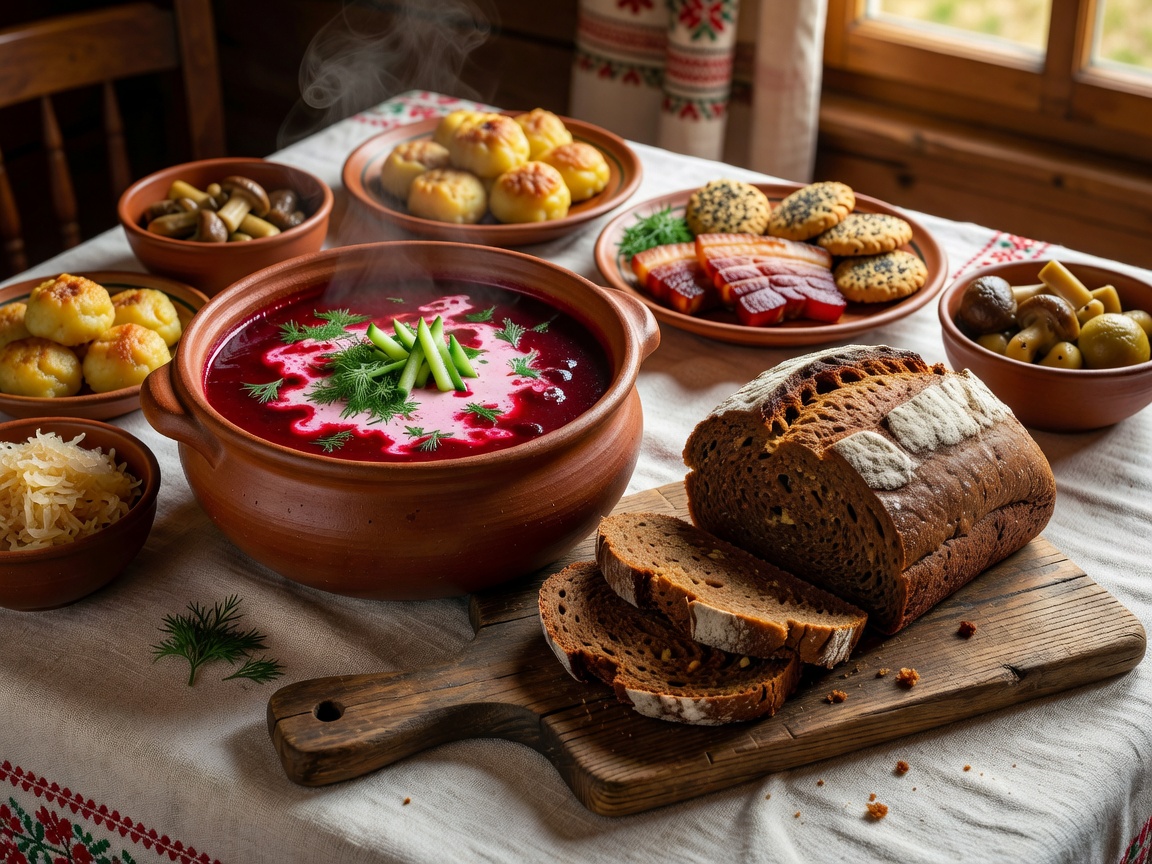
Equally iconic is Šaltibarščiai—the striking cold pink beetroot soup made with sour kefir, boiled eggs, fresh dill, and accompanied by piping hot roasted potatoes. Contemporary Vilnius and Kaunas restaurants are reimagining these heritage staples, employing dry-aging, fermentation, and farm partnerships to elevate historical recipes into modern haute cuisine.